We make your house look clean and refreshed.

Professional Cleaning Guide
A clean kitchen is not only about aesthetics; it’s about hygiene, food safety, and peace of mind. Grease, bacteria, and hidden spills accumulate faster in the kitchen than in any other part of the home. Cleaning it properly requires more than a quick wipe—it demands a structured process that professionals use to guarantee consistent, spotless results.
This guide walks through each step to ensure every surface, appliance, and corner stays sanitary and fresh.
1. Start With Preparation
Before touching any surface, remove clutter. Clear countertops, put away dry food, and move small appliances if needed. Open windows or turn on a vent to improve air circulation. Gather your tools: microfiber cloths, disinfectant, degreaser, dish soap, gloves, and a sponge. Preparation eliminates obstacles and speeds up the cleaning process.
2. Begin With the Dishes
Dishes create visual noise and take up space. Washing or loading them into the dishwasher instantly transforms the kitchen. Use hot, soapy water to remove grease effectively. Once dishes are handled, your surfaces become accessible.
3. Clean Countertops and Backsplash
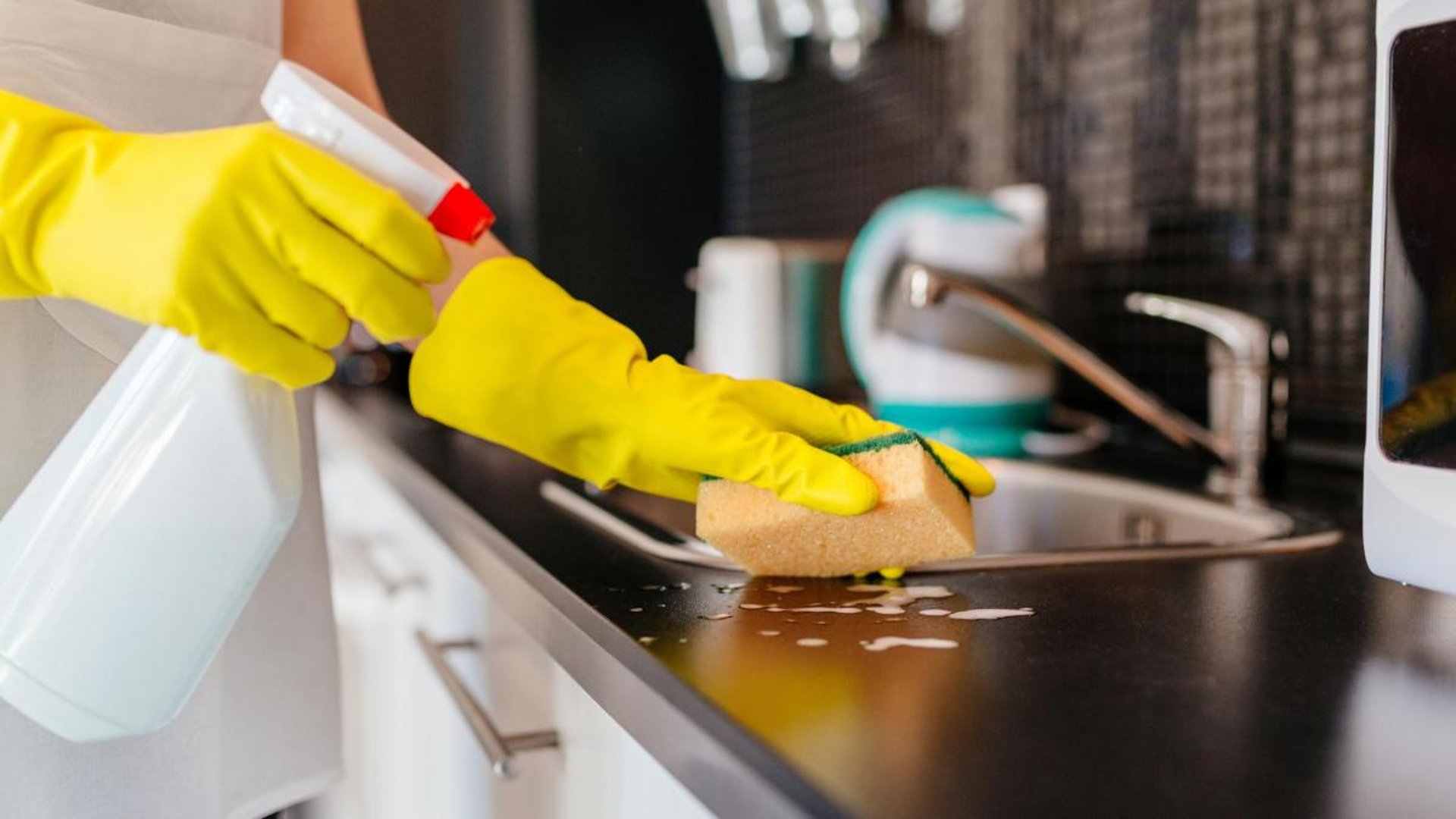
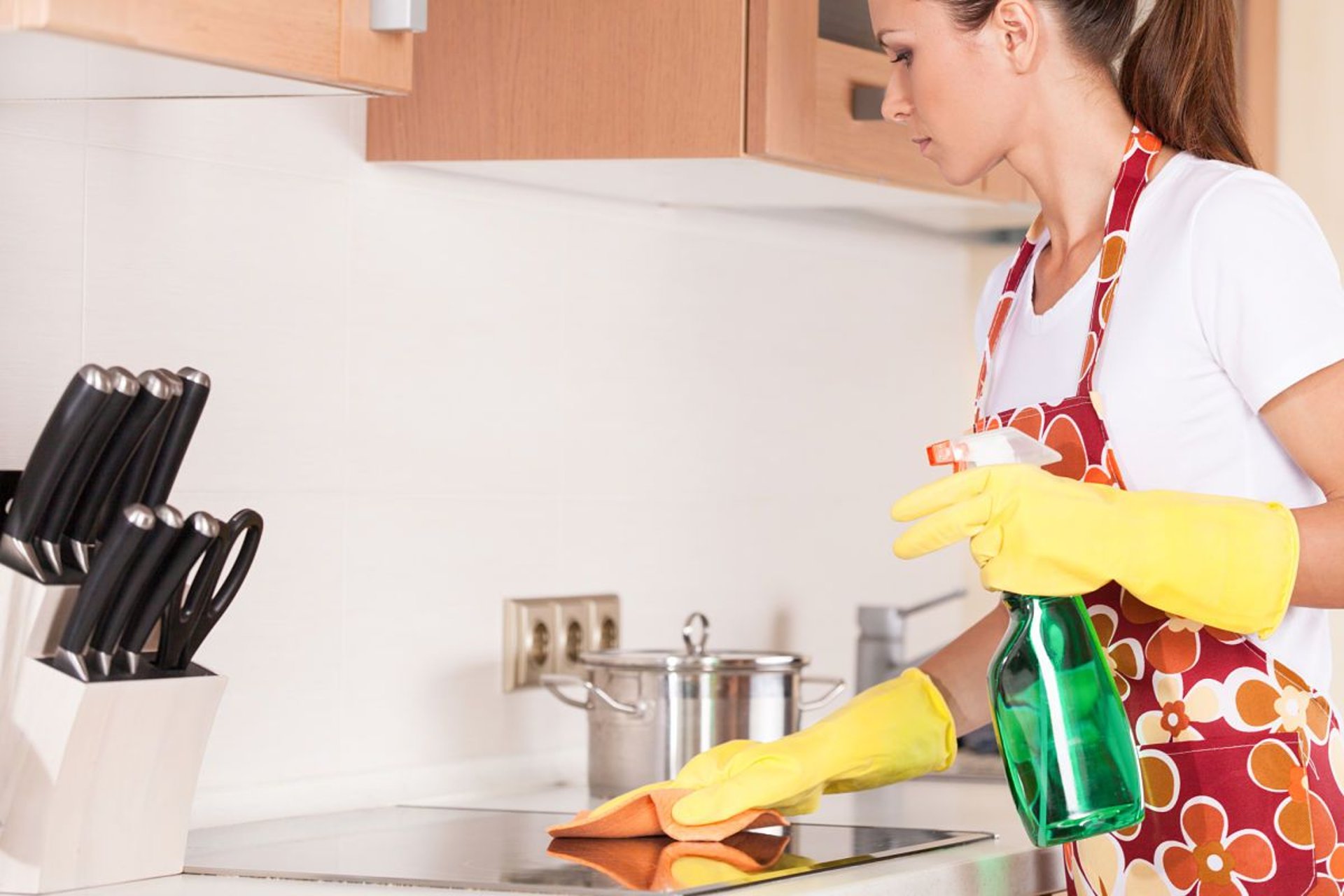
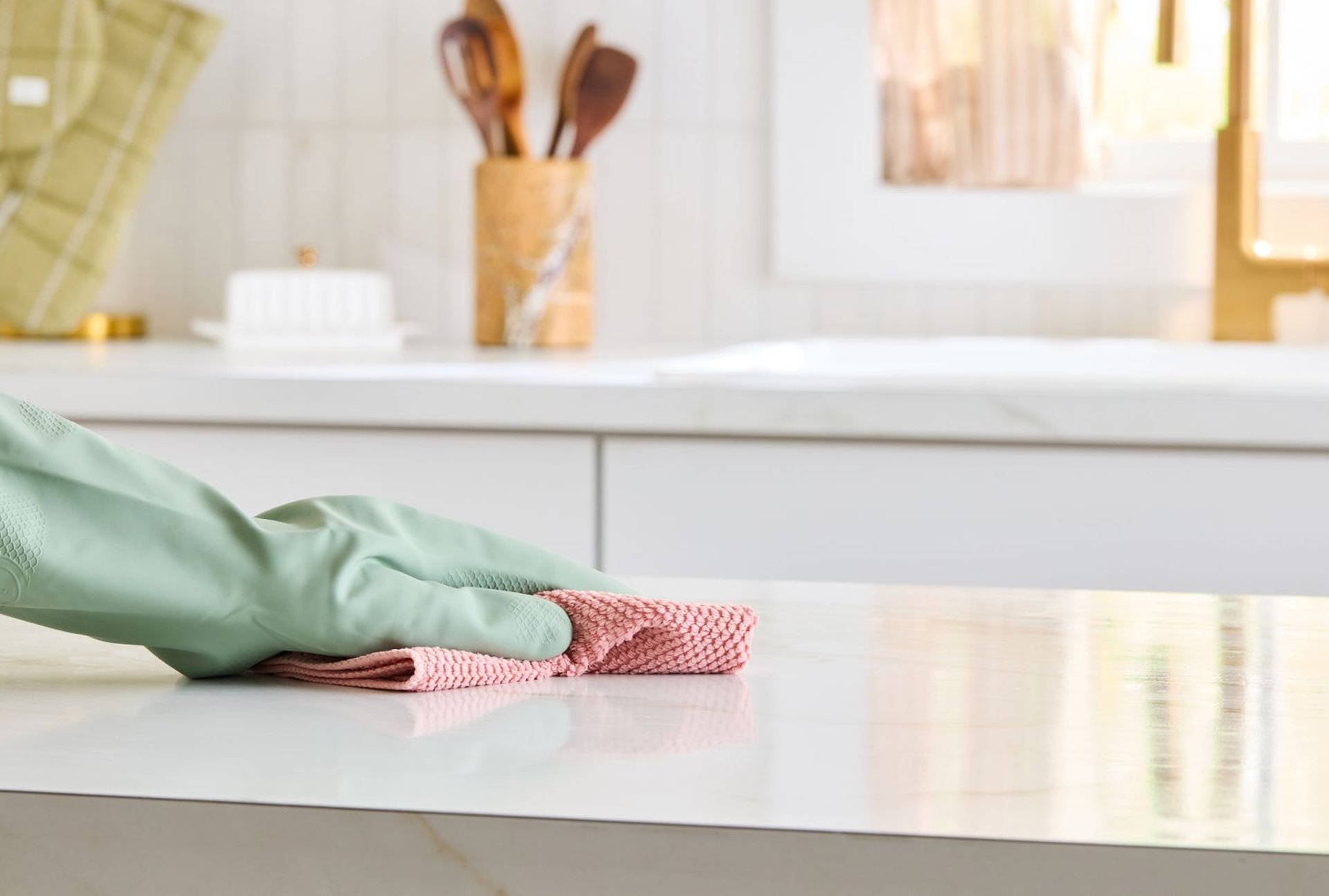
Spray countertops with an all-purpose cleaner or a disinfectant suitable for the material. Let the product sit for 1–2 minutes so it can break down oils. Wipe in straight strokes rather than circular motions to avoid spreading residue.
The backsplash often gets splattered with grease and sauces. Use a degreaser for this area, especially behind the stove.
4. Tackle the Stove and Cooktop
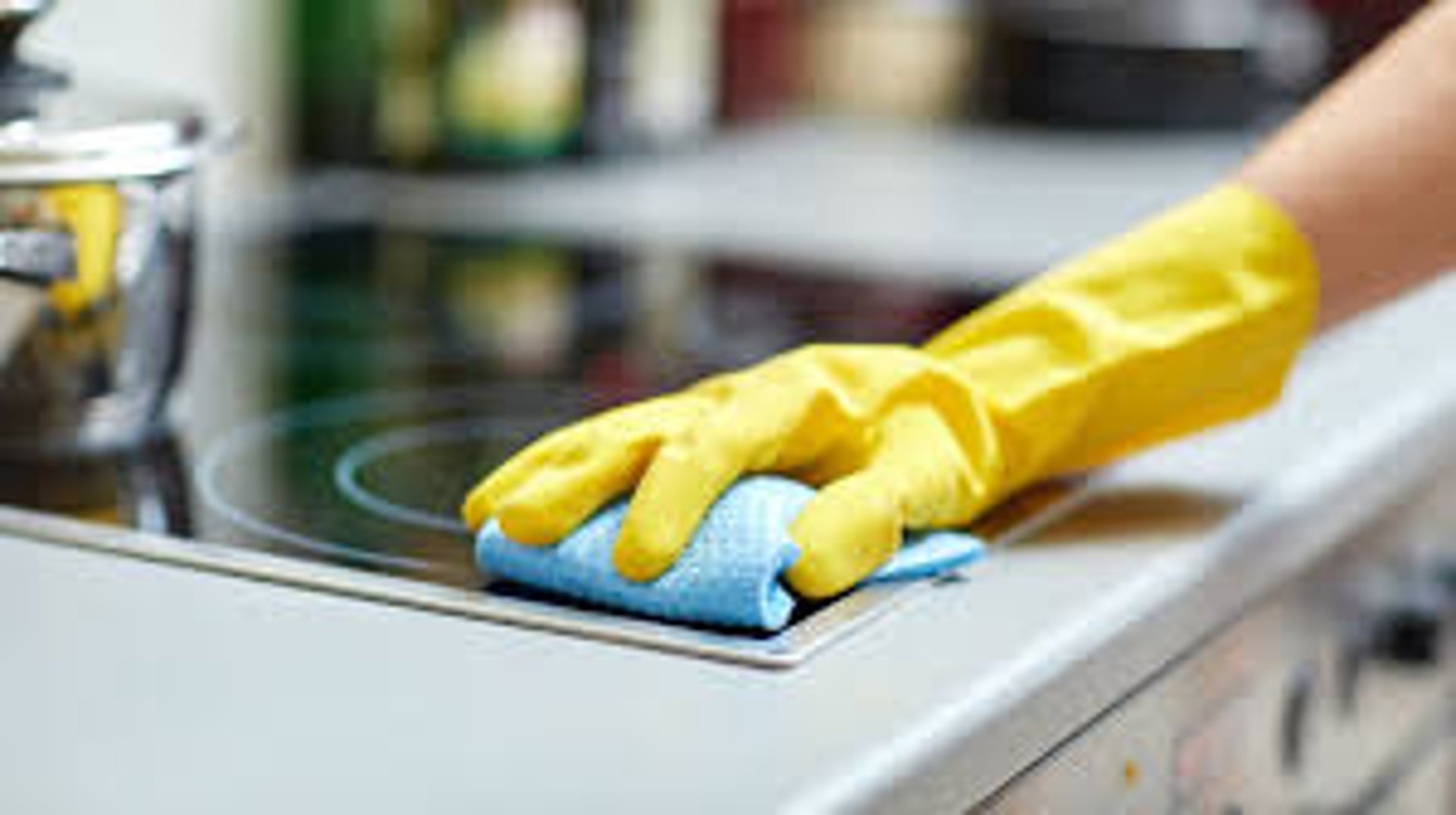
This is the heart of kitchen dirt. Remove grates or burners and soak them in hot, soapy water. Apply a degreaser to the cooktop and let it work for several minutes. Scrub gently but consistently to avoid scratching. For stubborn spots, baking soda paste works well as a non-abrasive cleaner.
Don’t forget the knobs—people touch them constantly, and they collect grease quickly.
5. Clean the Sink Thoroughly
Even though water runs through the sink constantly, it’s one of the dirtiest areas in the kitchen. Scrub it with dish soap or a soft abrasive. Pay attention to the drain area and the edges where grime accumulates. Finish by disinfecting and then drying with a microfiber cloth to prevent water spots.
6. Wipe Down Cabinets and Handles
Cabinet doors, especially near the stove, trap oil and fingerprints. Use warm water with a mild degreaser to clean them. Handles are high-touch surfaces, so disinfect them as well. If your cabinets are wood, avoid overly harsh chemicals that may damage the finish.
7. Clean Major Appliances
• Microwave: Heat a bowl of water with lemon for three minutes. The steam loosens dirt, making it easy to wipe down.
• Refrigerator: Clean the handle first. For the inside, remove expired food weekly. Wipe shelves with warm, soapy water.
• Oven: Use oven cleaner or baking soda paste. Let it sit and wipe off dissolved residue.
8. Sweep and Mop the Floors
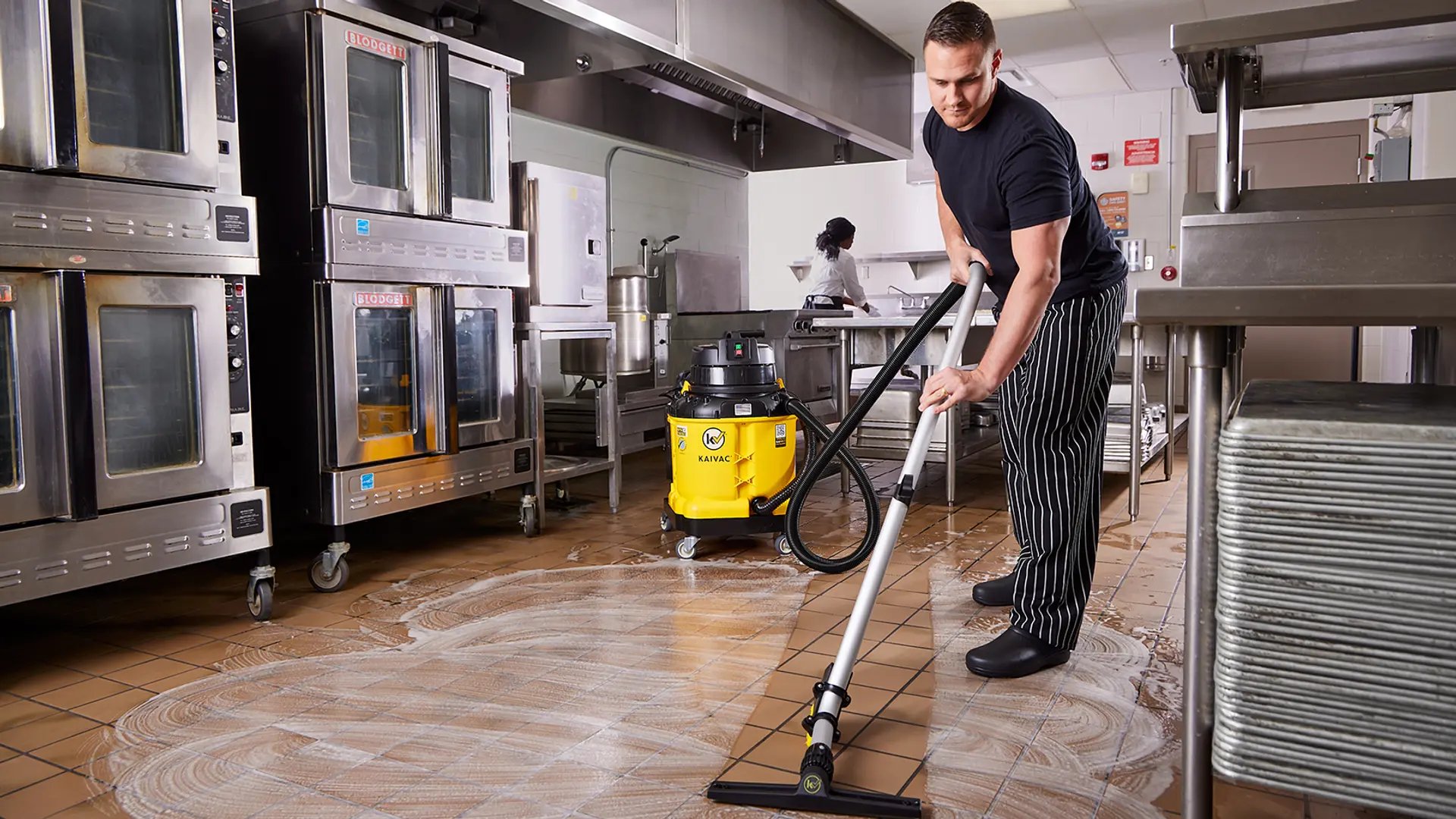
The floor is the final phase. Sweep thoroughly, including under cabinets and appliances. Mop with a disinfecting solution that’s safe for your flooring type. Grease and food particles settle here, so don’t rush this step.
9. Final Touches
Dry shiny surfaces—stainless steel, faucets, glass—to leave a polished finish. Put everything back in order. A clean kitchen isn’t just about removing dirt; it’s about restoring harmony and function.
A properly cleaned kitchen feels fresh, safe, and ready for cooking without distractions. When done with method and intention, the results look and feel professional.
How to Properly Clean a Kitchen: A Professional Step-by-Step Guide

Address
689 E 500 S Unit D
American Fork, UT 84003
Contacts
+1 (833) 716-7705
info@jchousecleaning.com
© 2025. All rights reserved.

